

Temporal depth is the capacity of an environment to sustain orientation, coherence, and meaning through time.
It operates when movement accelerates, when rhythms fragment, and when attention is stretched across distance. Under these conditions, space becomes a stabilizing medium. Architecture carries time rather than reacting to it.
Temporal depth emerges through order.
Time acts upon the body before it reaches awareness. Pace alters perception. Repetition reshapes memory. Duration reveals structure.
Architecture with temporal depth organizes these forces. It establishes continuity across intervals. It maintains legibility as conditions shift. Space remains readable as time compresses.
Movement passes through structure without dissolving it.
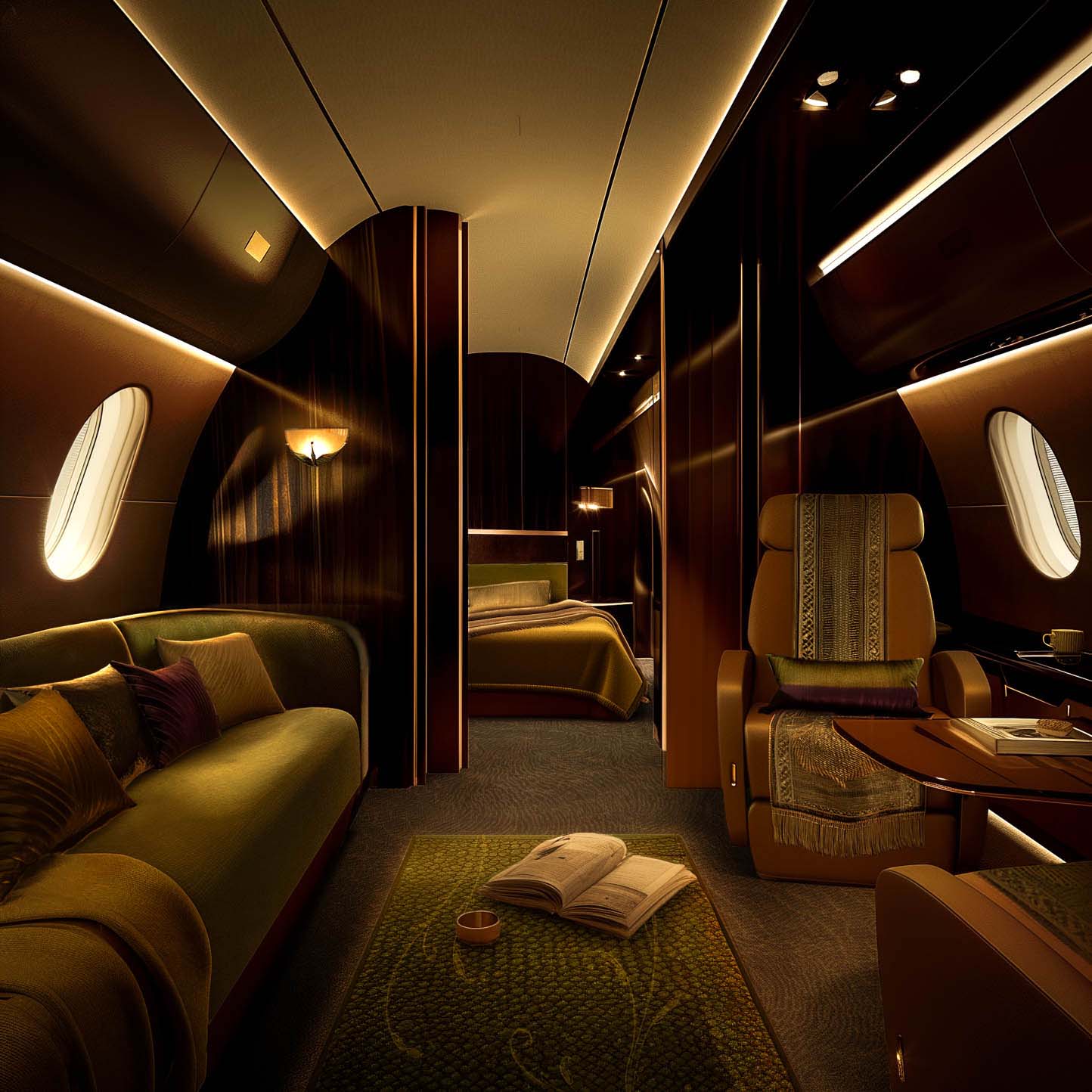
Acceleration sharpens requirements.
As speed increases, spatial clarity becomes essential. Hierarchy guides movement. Proportion maintains balance. Material continuity anchors perception.
Aviation concentrates these conditions. Time zones shift. Physical orientation recalibrates. The environment becomes the primary reference system.
When order holds here, it holds anywhere.
Architecture with temporal depth stabilizes perception through composition.
Clear axes establish direction. Transitions regulate tempo. Materials carry weight and continuity. Light supports circadian rhythm. Form remains legible under fatigue.
The environment supports the body’s return to equilibrium.
Temporal depth accumulates through use.
Spaces designed for endurance retain clarity across repetition. Their logic remains accessible. Their atmosphere sustains attention without demand. Time registers as continuity rather than erosion.
Duration reveals coherence.
Temporal depth functions as an architectural requirement.
In conditions of acceleration, architecture governs rhythm. It preserves orientation. It carries meaning forward through time.
Form holds.
Time proceeds.
Continuity remains.