A private aircraft does not flatter its occupant. It reveals them.
Once in motion, tolerance collapses. The margins that exist on the ground disappear in the air. What has been unresolved before departure becomes unavoidable under compression. In this environment, design is no longer expressive. It is diagnostic. It reveals whether a life has been composed to endure continuity, or merely arranged for moments of display.
Private aviation does not invent refinement. It exposes whether it was already there.
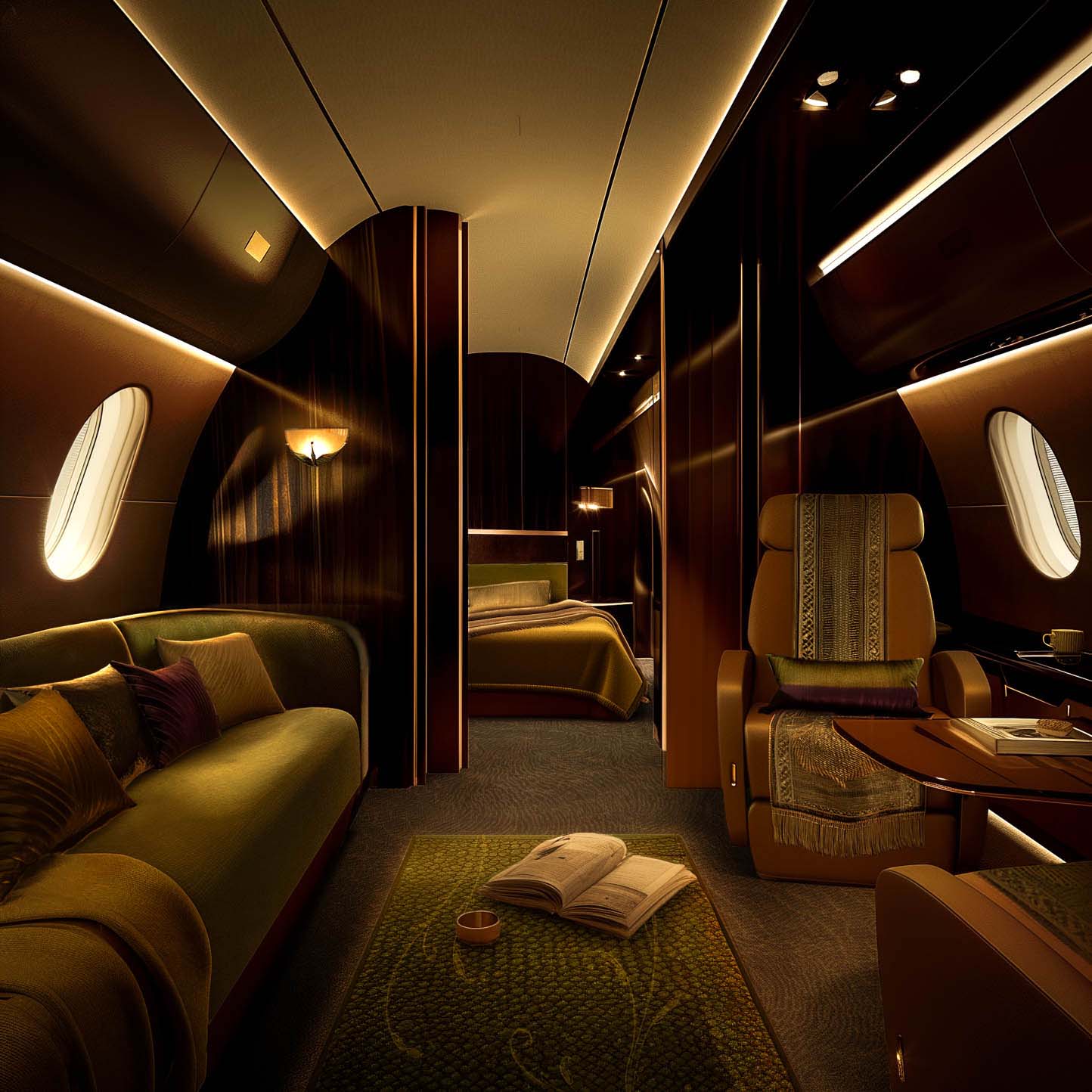
Flight intensifies consequence. Light sharpens. Sound carries. Duration stretches. What appears acceptable on the ground can become intrusive at altitude, where the body has fewer defenses and the environment leaves little room for compensation.
An aviation interior is not a setting. It is a test. It measures whether space has been composed to support coherence under sustained movement. When it succeeds, travel preserves attention and posture. When it fails, depletion accumulates quietly. Fatigue appears without clear cause. Arrival feels thinner than departure.
The difference is rarely visual. It is physiological.
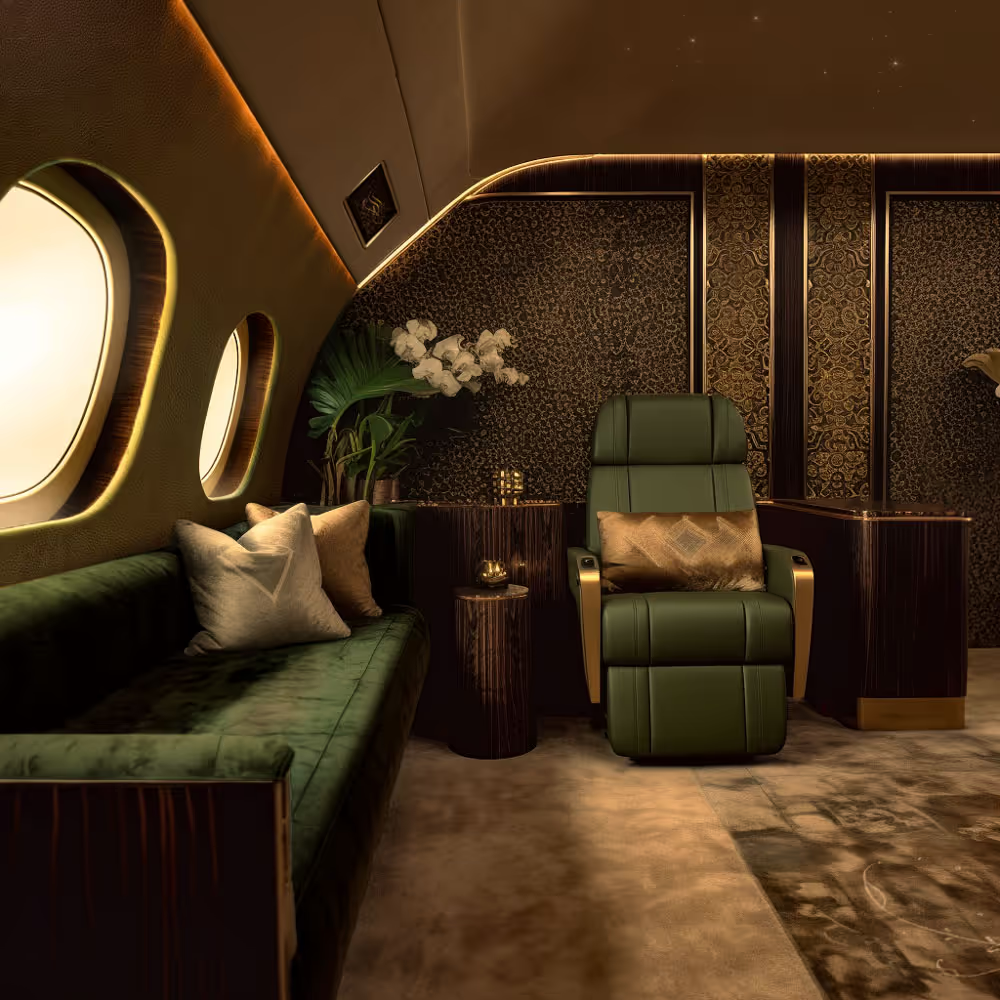

Depth does not originate in polish. It originates in material intelligence.
Nature does not flatten surfaces or neutralize contrast. It layers tone, texture, weight, and shadow. Interiors that endure adopt these principles rather than imitating appearances. They rely on materials that carry warmth, density, and variation — elements that remain legible under changing light and repeated use.
Opulence, in this register, is not excess. It is life held in material form, present without insistence.
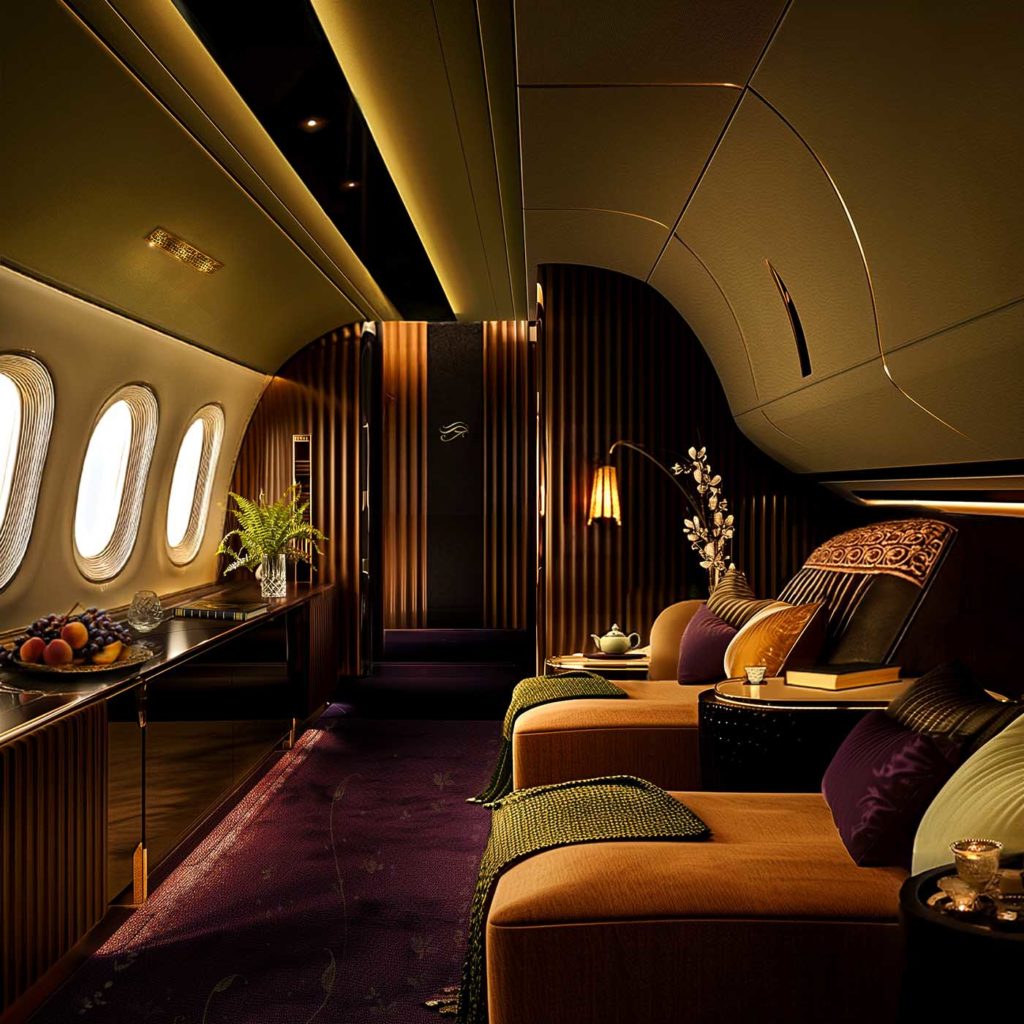
Precision does not require sterility.
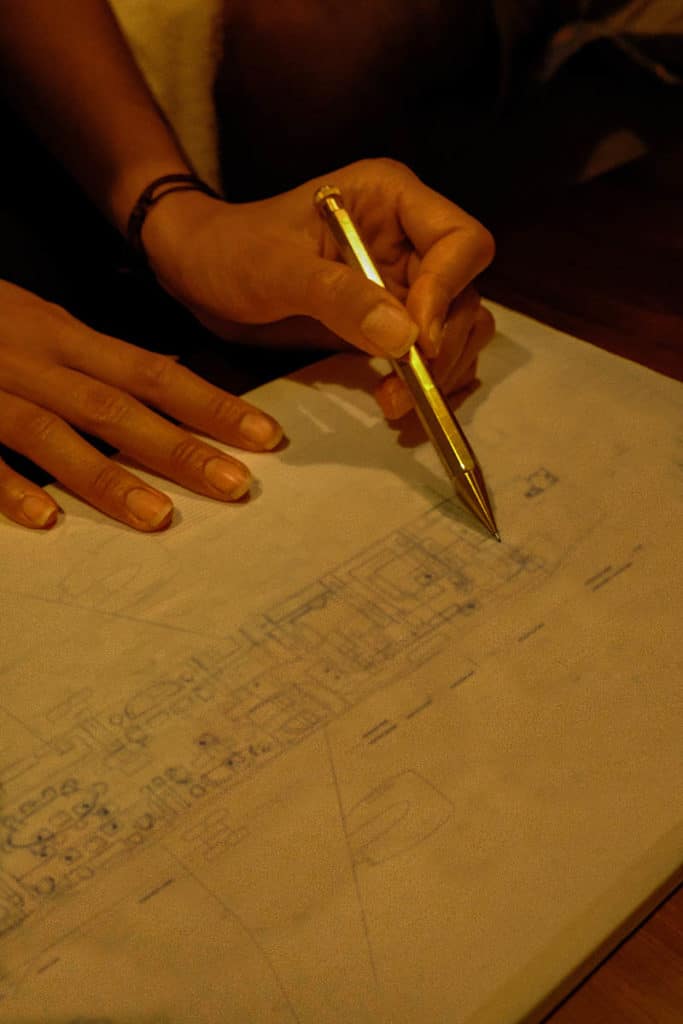
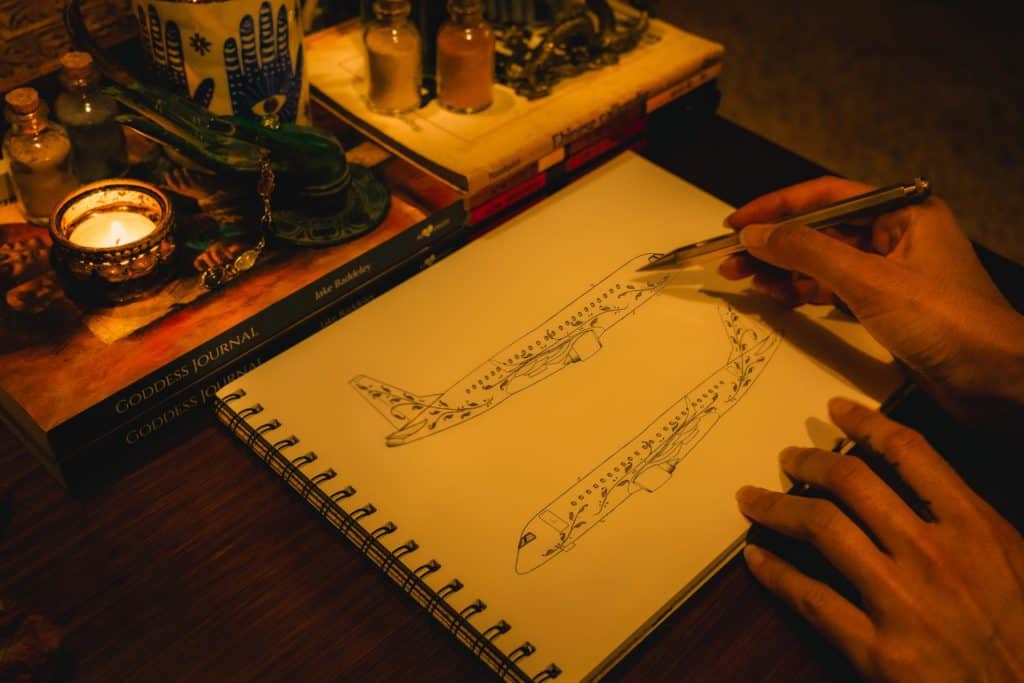
When form is drawn rather than generated, proportion gains intention. Slight asymmetries introduce rhythm. Repetition is controlled rather than automated. The space feels authored, not assembled.
Hand-composed work introduces a quiet inevitability. Lines settle. Motifs belong. The interior begins to carry memory, even before it is inhabited. This is how an environment acquires presence rather than novelty.
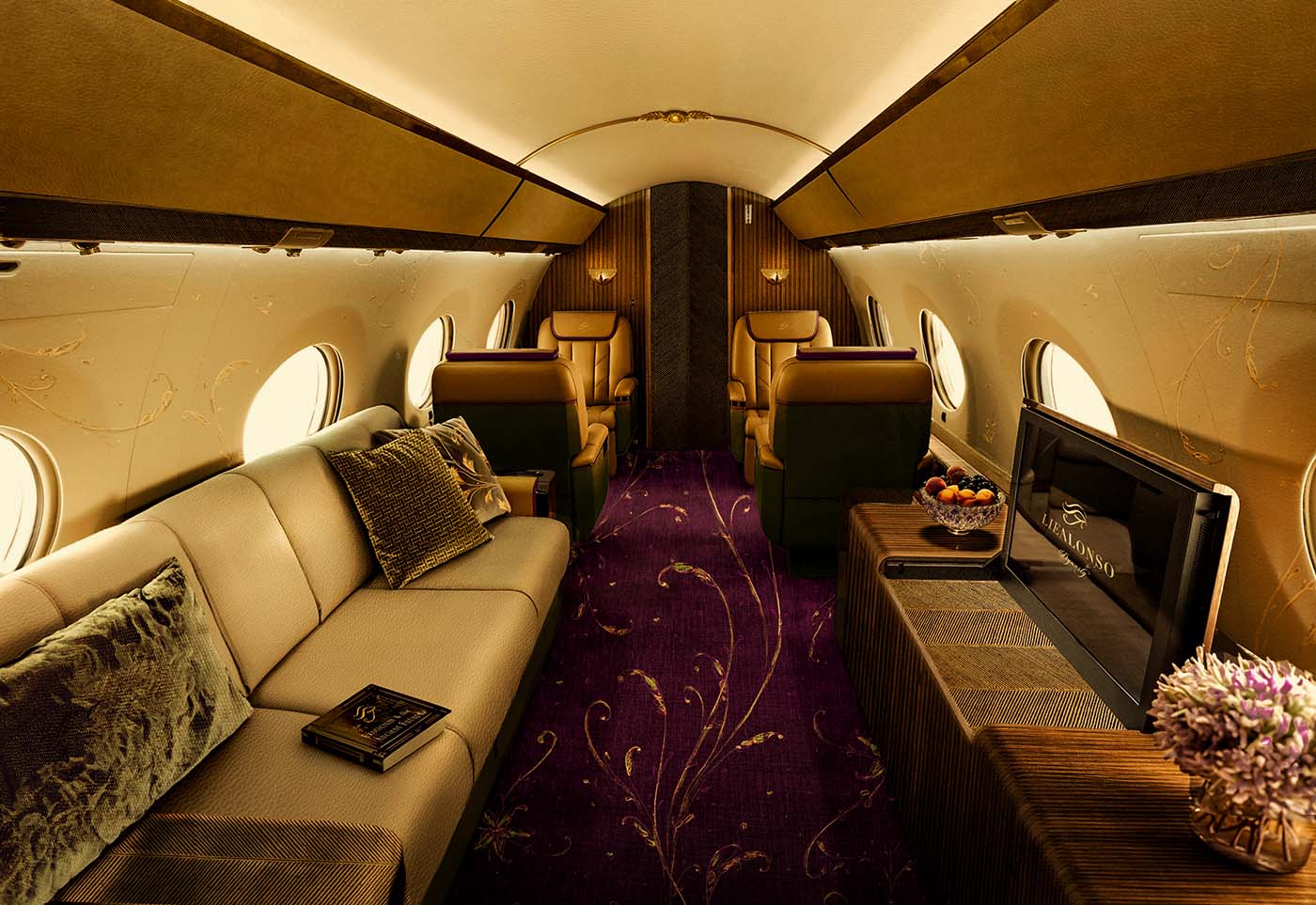
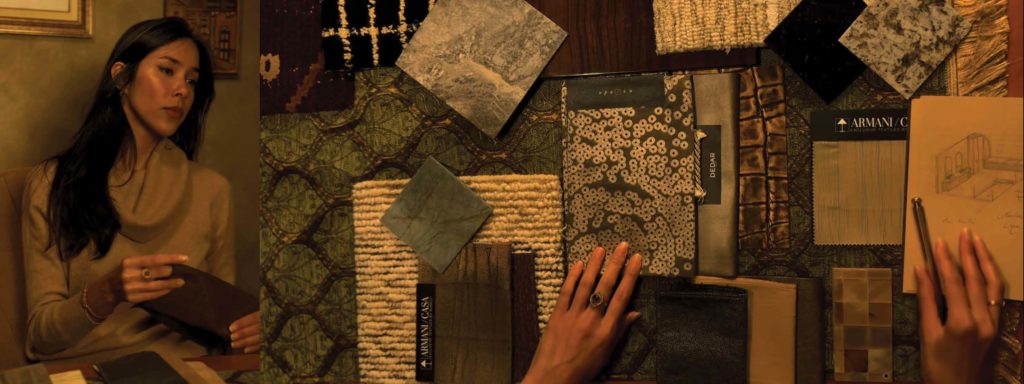
Wellbeing in flight is not symbolic. It is structural.
At altitude, the body registers imbalance immediately. Lighting affects circadian rhythm. Texture influences nervous system tone. Layout governs breath, posture, and movement. Comfort that relies on softness alone often collapses under duration.
A stabilizing interior does not stimulate or sedate. It holds conditions steady. Seating supports stillness. Light softens time. Materials temper the senses rather than excite them. The result is not indulgence, but preservation — arrival without the need to recover.
Character is not applied. It is embedded.
Environments that lack depth rely on neutrality for safety. Over time, this neutrality becomes sterile. Depth requires lineage — not historical reference, but accumulated judgment. Color becomes atmosphere rather than accent. Detail carries meaning without explanation.
Vibrancy here is not movement or contrast. It is life felt beneath restraint. The space remains composed, yet alive.

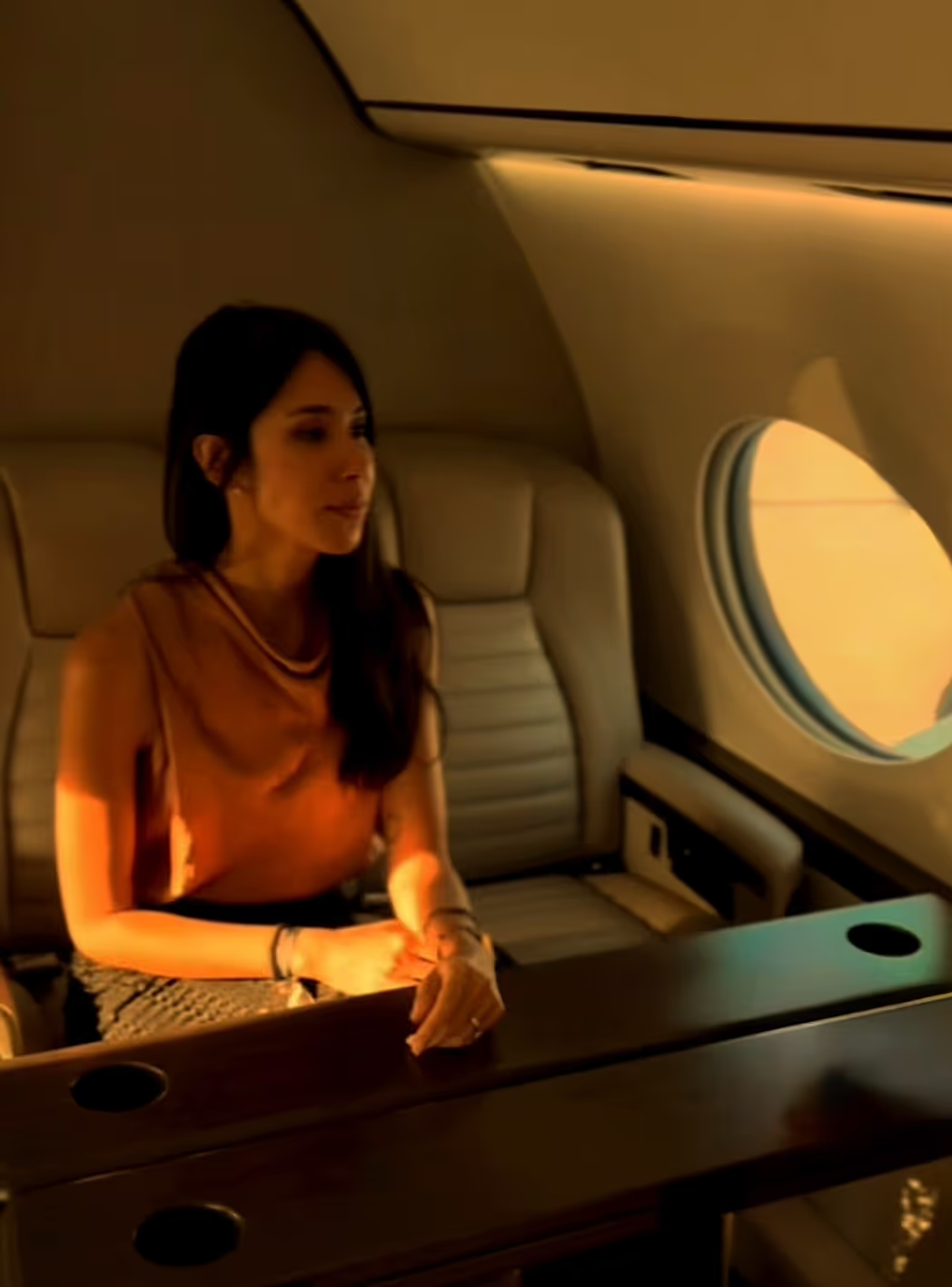

Some environments look forward by erasing the past. Others look backward without adaptation. Both approaches flatten experience.
A more enduring synthesis exists where ancestral intelligence and modern capability coexist. Heritage is not referenced as style, but absorbed as structure. Innovation appears without severing memory. The result is an atmosphere that feels culturally awake rather than temporally fixed.
This is not eclecticism. It is continuity across time.
I. Authorship
Bespoke is not variation. It is authorship.
Here, design is not the selection of finishes within a predetermined system. It is the construction of a complete interior logic — proportion, circulation, material, rhythm — composed as a single language. Each decision must hold under repetition, under movement, under time.
Mastery reveals itself through absence: friction removed, noise softened, negotiation eliminated. The environment feels inevitable.
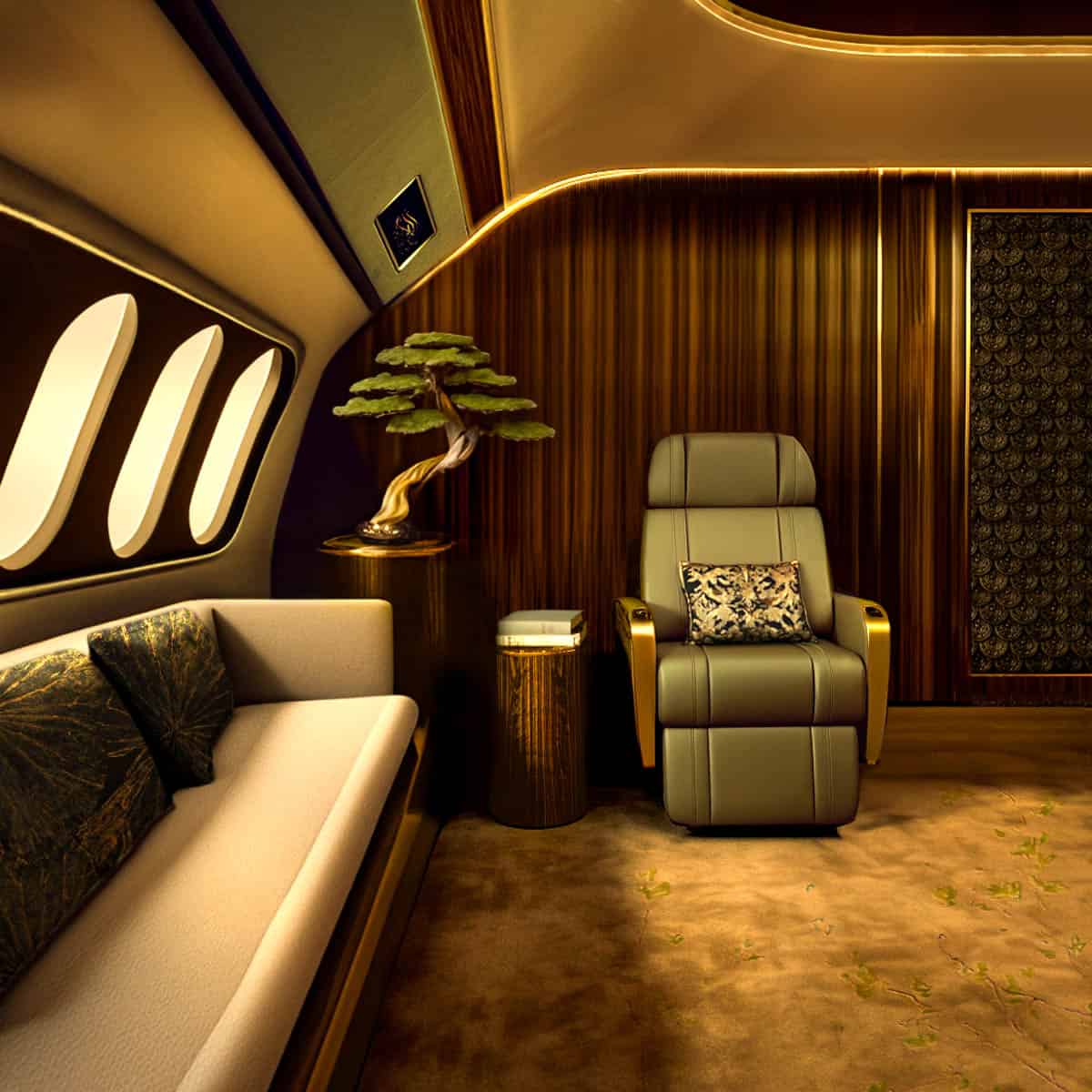

II. Coherence Over Time
Timelessness is not nostalgia and not minimalism. It is coherence sustained across use.
Design that endures relies on what remains legible under repetition: natural materials, measured contrast, proportions that settle the body rather than stimulate it. When strain is removed — harsh light, visual noise, spatial imbalance — a higher state appears without effort.
Presence is not added. It is uncovered.
III. Artistry as Structure
Artistry is not decoration. It is structure made perceptible.
When integrated correctly, it introduces rhythm and cultural memory without excess. The space gains character without becoming expressive. Precision remains intact, but sterility dissolves.
The interior begins to feel inhabited even before it is occupied.

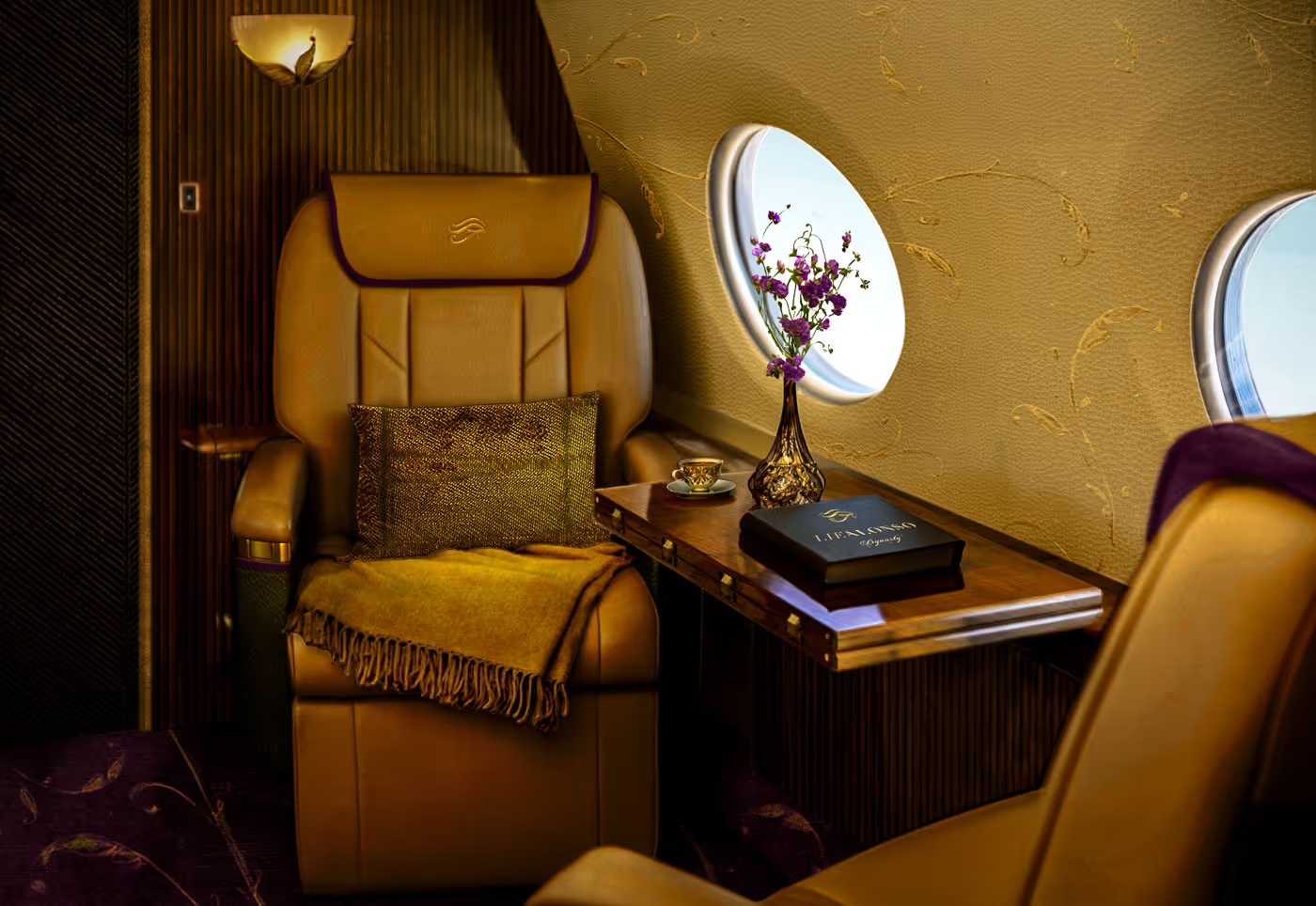
IV. Systemic Integrity
Integrity does not come from uniformity. It comes from alignment.
Layout, material, light, sound, and function operate as a single system. Beauty is inseparable from performance. Atmosphere is inseparable from engineering reality. Nothing competes with the whole.
This is how an aircraft stops feeling like a product and begins to function as architecture.
V. Inevitable Form
Clarity prevents excess.
When a design language is coherent, decisions reinforce one another rather than diverge. Heritage appears without becoming costume. Innovation appears without becoming spectacle. The space feels specific, not loud.
Identity emerges through consistency, not declaration.
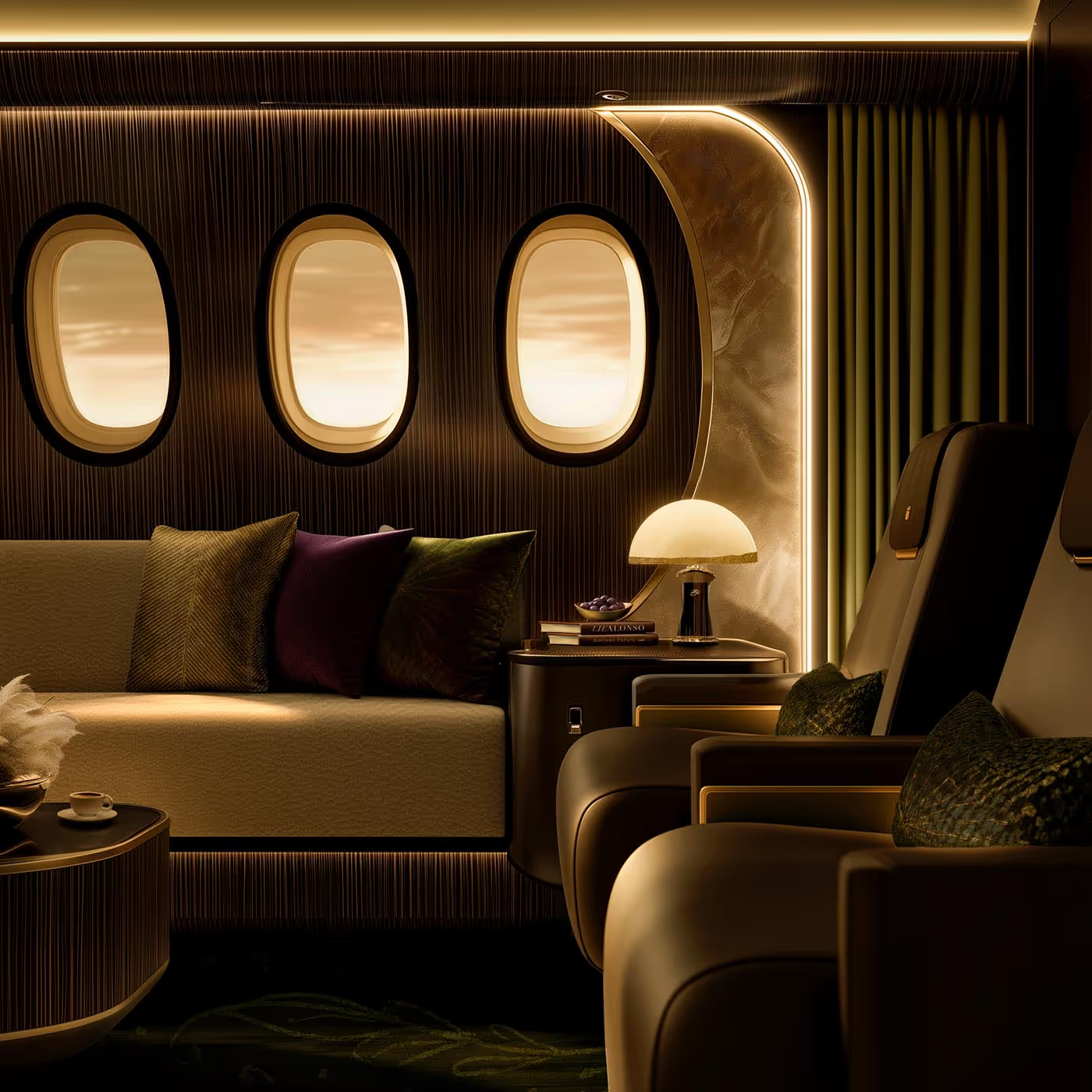
Refinement does not announce itself. It transmits.
Subtle power holds force under restraint. Richness appears in shadow. Detail reveals itself slowly. Vibrancy feels inevitable rather than staged. The environment remains composed, yet charged.
Nothing asks for attention. Everything rewards it.
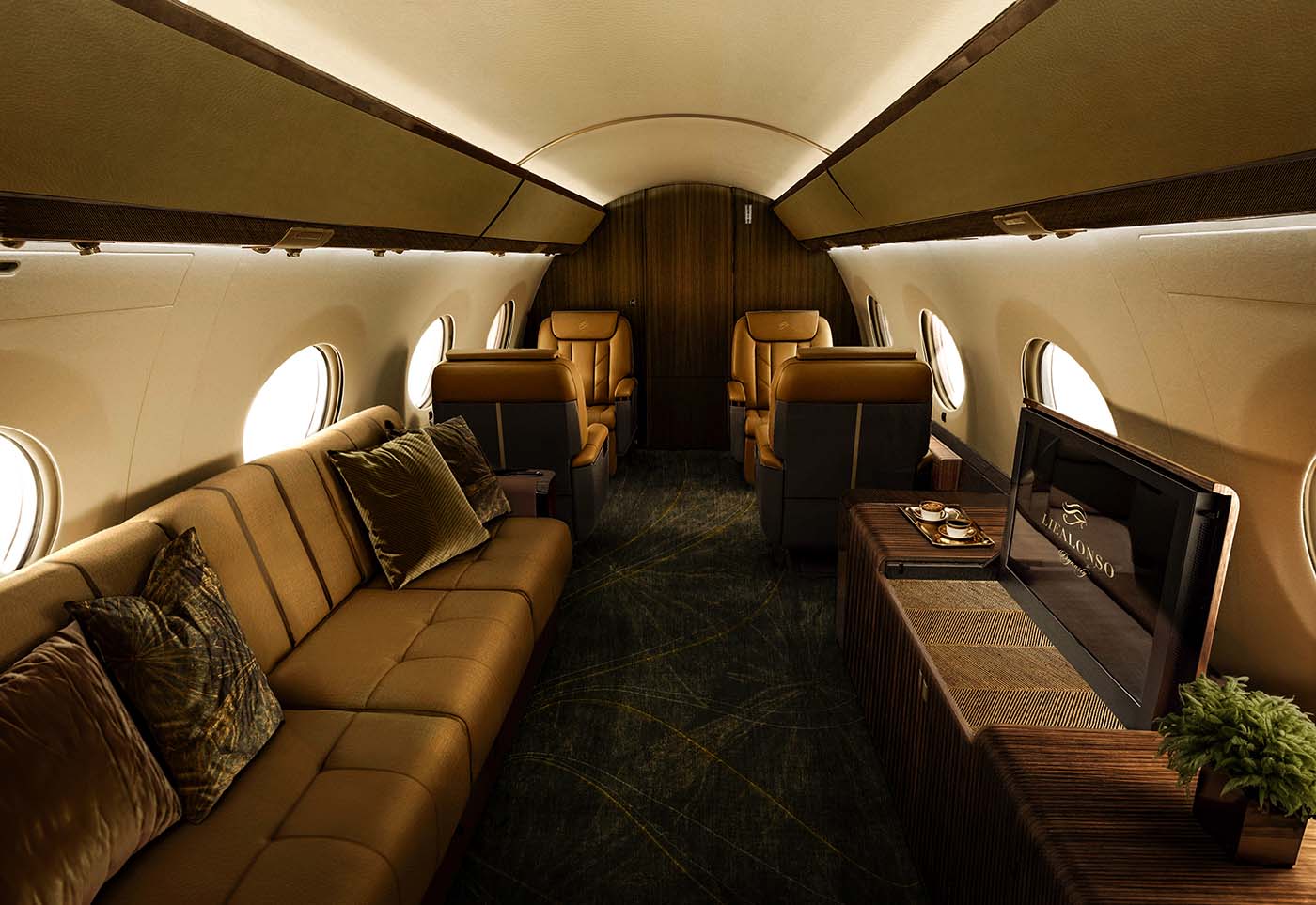
Precision without feeling produces sterility. Feeling without precision produces chaos.
When the two are resolved together, the environment performs flawlessly while remaining alive. Ergonomics shape posture. Materials carry warmth. Layouts support use rather than image.
The space works — and it holds.

When an environment is truly resolved, it stops asking for maintenance at the level of attention.
Days unfold without correction. Movement does not require recalibration. The body does not need to compensate for imbalance, noise, or visual friction. What would normally demand micro-adjustments simply disappears. Life proceeds without drag.
This is not convenience. It is continuity without effort — the result of decisions made precisely enough that they no longer need to be revisited. Over time, this quality becomes unmistakable. The environment does not tire. It does not date. It does not ask to be refreshed. It holds.
In such conditions, refinement compounds quietly. The space grows more legible with use, not less. Presence deepens without being pursued. What remains consistent is not appearance, but the ability of the environment to sustain a life without interruption.


Environments of this nature cannot be produced through distance.
Continuity of judgment matters. Decisions accumulate. Dilution is avoided not through control, but through care. The interior remains whole because nothing has been compromised along the way.
What results is not customization, but truth — a space aligned with an internal standard rather than an external expectation.